

 Facebook
 X
 Pinterest
 Copy Link
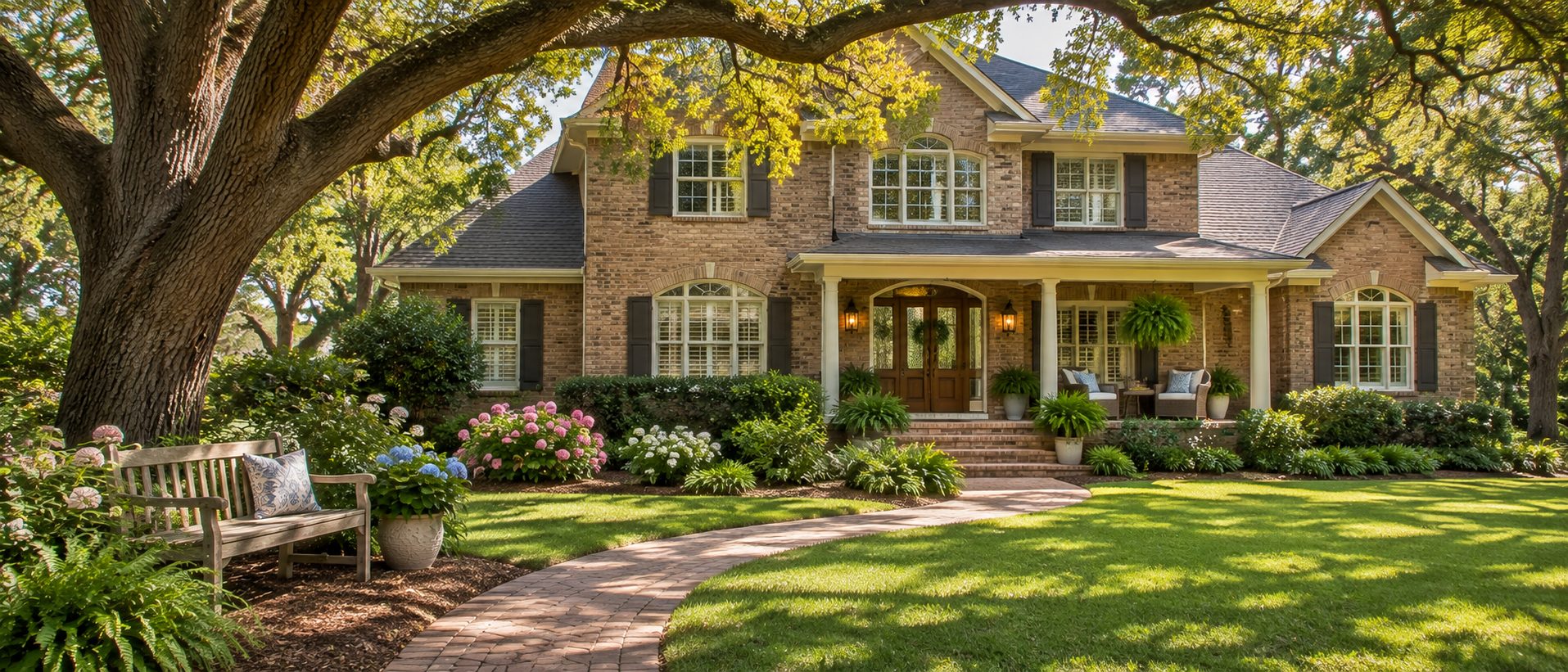
There are homes we love for reasons that have very little to do with square footage, floor plans, or property values.
Maybe it’s the house where you raised your family. The place where everyone gathered for holidays. The backyard where the children played, or the porch where you’ve spent more quiet evenings than you can count.
Those things don’t lose their meaning just because life changes.
But sometimes, somewhere along the way, you begin to notice that the home that worked so well for you ten or twenty years ago doesn’t quite fit the way you’re living today.
That doesn’t mean there’s anything wrong with the house.
And it certainly doesn’t mean you need to move.
It may simply mean it’s time to look at things a little differently.
Sometimes the Changes Are Small
Most homeowners don’t wake up one morning and suddenly decide their house no longer works.
Usually, the realization comes gradually.
The upstairs bedrooms aren’t used much anymore. The yard that once felt like a wonderful place for children and pets has become more work than enjoyment. The formal dining room rarely sees a family gathering.
Or perhaps the house still functions beautifully, but your daily routine has changed.
You may be traveling more, spending more time with grandchildren, working from home, or simply wanting more freedom from maintenance.
None of those changes is necessarily a reason to sell.
But they are worth paying attention to.
Because the way you use your home matters just as much as the features it offers.
A Good Home Can Still Be the Wrong Fit
This is something I think homeowners sometimes have difficulty acknowledging.
A home can be beautifully maintained, in a wonderful neighborhood, and worth considerably more than when you purchased it.
It can also hold years of good memories.
And still, it may not be the best fit for the next stage of your life.
There’s no contradiction in that.
I’ve worked with homeowners who genuinely loved their properties but were beginning to think about what they wanted their everyday lives to look like in the years ahead.
Sometimes those conversations lead to a move.
Other times, they help people recognize that they can make a few changes and continue enjoying the home they already have.
The important thing is understanding the difference.
Before You Think About Moving, Think About What Isn’t Working
When someone begins considering a change, I like to start with a few practical questions.
What feels different about living in the house today?
Is it the amount of maintenance?
The layout?
The distance from family, friends, or the places you visit regularly?
Are there spaces you no longer need—or spaces you wish you had?
And perhaps most importantly, are those things that could reasonably be changed?
Sometimes a home needs a different use of its existing space. A room that once served one purpose may work better for something else.
A landscaping change might reduce maintenance. A thoughtful renovation may make daily living more comfortable.
Other times, the issue isn’t something that can easily be fixed.
A two-story layout may no longer suit someone’s needs. A location may have become inconvenient. Or the responsibilities of maintaining a large property may simply be more than the homeowner wants to take on.
Understanding what’s actually changing helps us avoid making a major decision in response to something that might have a simpler solution.
Staying Is a Decision, Too
Real estate conversations often focus on buying and selling.
But I believe deciding to stay deserves just as much thought.
If you still enjoy your home, the location works for you, and the responsibilities of ownership are manageable, there may be very good reasons to remain where you are.
Sometimes making a few improvements is the better choice.
Sometimes it’s simply recognizing that the home still supports the life you want.
And sometimes, after looking carefully at the alternatives, homeowners decide they’re not ready to make a change.
That’s a perfectly reasonable outcome.
I’ve written before about why the best real estate decisions often begin long before the move. Those early conversations are valuable precisely because they allow people to consider their options without feeling pressured to act.
Understand What Your Current Home Makes Possible
When a move does begin to feel like a possibility, knowing where you stand financially can help put the decision into perspective.
What might your current home be worth?
How much equity have you built?
What would a different home cost in the communities you’re considering?
Would a move reduce your responsibilities, or simply exchange one set of expenses for another?
These aren’t questions you have to answer all at once.
But having a realistic understanding of your current property gives you a stronger foundation for evaluating the alternatives.
That’s why I encourage homeowners to understand their home’s value even when they aren’t planning to sell.
Knowing what you own and what your options may be doesn’t obligate you to make a move.
It simply gives you better information.
Don’t Confuse a Different House With a Better Life
This is an important distinction.
A newer home isn’t automatically easier to maintain.
A smaller home isn’t necessarily more convenient.
And moving to a different neighborhood doesn’t guarantee that your daily life will improve.
Before making a change, think carefully about what you hope will be different afterward.
Will you have more time for the things you enjoy?
Will the layout be easier to live in?
Will you be closer to the people and places that matter?
Will the responsibilities of ownership be more manageable?
Or are you simply exchanging familiar challenges for unfamiliar ones?
I think those questions deserve as much attention as bedrooms, square footage, and finishes.
Give Yourself Time to Think
One of the advantages of recognizing changing needs early is that you have time to explore possibilities.
You can look at different communities.
You can compare housing options.
You can think about whether adapting your current home would make more sense.
And you can have conversations with family members without the pressure of an immediate deadline.
For some homeowners, these decisions also become part of a larger life transition, involving retirement, family responsibilities, or changing financial priorities.
Those situations deserve thoughtful consideration rather than a rushed response.
Taking the Long View
A home can be right for you for many years and still reach a point where your needs begin to change.
That doesn’t diminish the years you’ve spent there or the memories you’ve made.
It simply means life keeps moving, even when we stay in the same place.
I don’t believe every homeowner who begins questioning their current home needs to put it on the market.
Sometimes the best decision is to stay and make a few adjustments.
Sometimes it’s to begin exploring what another home might offer.
And sometimes it’s simply to give yourself permission to think about the future without deciding anything today.
The goal isn’t to leave a home you love.
It’s to make sure the home you choose—whether it’s the one you’re in or the one you move to—continues to support the life you want to live.
